



Specialized Logistics Solutions For Dry Cargo Exports Amid 2026 Market Volatility
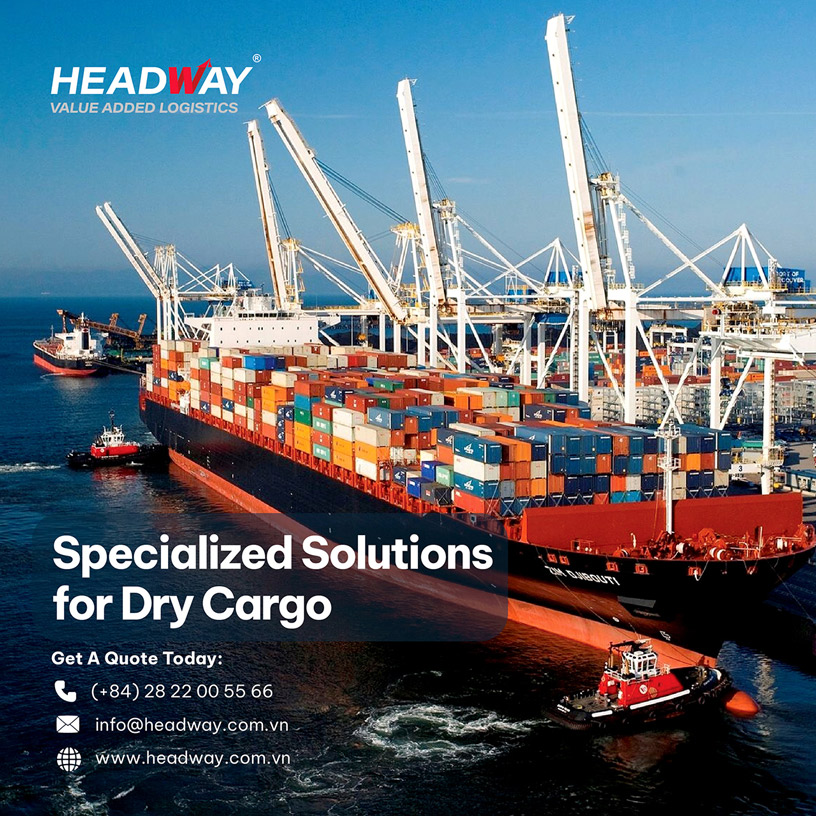
In 2026, the global logistics industry is being reshaped as geopolitical factors, particularly tensions in the Middle East, directly impact international supply chain flows. Disruptions along key shipping routes such as the Strait of Hormuz have reduced the stability of container transportation systems, forcing carriers to continuously adjust their service networks.
Container freight rates have increased by approximately 14–15% within a short period, while oil prices remain at USD 100–120 per barrel, driving up operating costs. On many Asia–Europe trade lanes, the increase has reached up to 30% within just a few weeks. At the same time, vessel rerouting via the Cape of Good Hope has extended transit times by 10–14 days, directly affecting delivery schedules.
Notably, logistics costs are not limited to freight rates but also stem from an increasingly complex system of surcharges such as Bunker Adjustment Factor (BAF), War Risk Surcharge (WRS), Peak Season Surcharge (PSS), Port Congestion Surcharge, and container detention and demurrage charges (DEM/DET). These components fluctuate continuously, making total logistics costs difficult to control.
“Logistics in 2026 is no longer a matter of freight rates, but a matter of total cost control and supply chain adaptability.”
Logistics Pressure on Dry Cargo Exports
Dry cargo exports such as garments, furniture, electronics, and packaging account for a large share of container volumes and are directly impacted by market volatility, yet each sector has its own characteristics:
• Garments: High pressure on lead time and seasonality, requiring strong responsiveness
• Furniture: Optimization of space and cost for bulky cargo
• Electronics & machinery: High control requirements for high-value cargo
• Packaging: Requires stable shipping routes due to frequent and continuous shipments
These differences indicate that logistics cannot apply a one-size-fits-all model, but must be designed specifically according to each industry’s characteristics.
Headway’s Specialized Logistics Solutions
Headway implements solutions based on end-to-end supply chain coordination, while effectively controlling additional cost components:
• Flexible routing: Continuously updating and adjusting shipping routes to avoid high-risk areas, minimize delays, and control cost fluctuations and arising surcharges
• Sea–Air solutions for urgent shipments: Shortening lead time for peak-season garment orders while optimizing costs compared to full air freight
• FCL / LCL optimization: Aligning with shipment size to optimize costs and cash flow
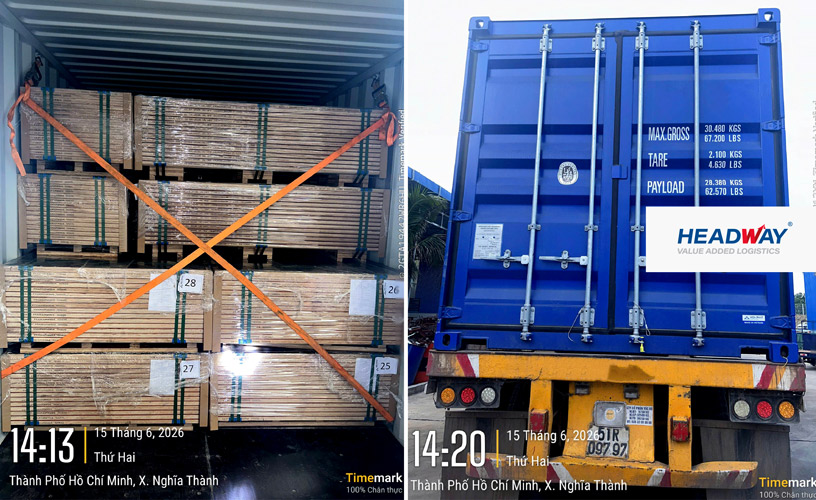
• Container loading optimization: Designing cargo loading and stowage plans to maximize space utilization, especially for furniture and bulky cargo
• High-value cargo control: Applying strict operational procedures combined with real-time tracking to ensure the safety of electronics and machinery
In a context where volatility has become the “new normal,” selecting optimal logistics solutions enables businesses to proactively control their overall logistics cost structure.
Conclusion
With over 23 years of experience in supply chain operations and coordination, Headway is not only a logistics service provider but also a strategic partner with the capability to handle diverse cargo across multiple specialized industries.
By designing flexible solutions tailored to specific cargo characteristics and market conditions, Headway helps businesses optimize costs, ensure operational efficiency, and enhance competitiveness in the international market.
Other news

HEADWAY - HOCHIMINH OFFICE (HO)
-
 44 Nguyen Van Kinh Street, Quarter 14, Cat Lai Ward, Ho Chi Minh City, Vietnam
 -
 (+84) 28 22 00 55 66/ (+84) 28 22 00 77 66
HEADWAY - HA NOI OFFICE
-
03rd Floor, Lotus Building, No. 02 Duy Tan Street, Cau Giay District, Ha Noi City, Vietnam
-
(+84) 24 3227 2123
HEADWAY - HAI PHONG OFFICE
-
06th Floor, Hoang Phat Building, No 4 Lot 2A Le Hong Phong Street, Ngo Quyen Ward, Hai Phong City, Vietnam
-
(+84) 225 730 0269
HEADWAY - DA NANG OFFICE
-
No. 1 Le Dinh Ly Street, Thanh Khe Ward , Da Nang City, Vietnam
-
(+84) 236 730 1068
HEADWAY - CHU LAI OFFICE
-
Nui Thanh Commune, Da Nang City, Vietnam
-
(+84) 235 650 6902
HEADWAY - DONG NAI OFFICE
-
670 Tay Lac Street, An Chu Hamlet, Binh Minh Commune, Dong Nai Province, Vietnam
-
(+84) 28 22 00 55 66
HEADWAY - QUY NHON OFFICE
-
01st floor, Viettel Gia Lai Building, No.1 Dinh Bo Linh Street, Quy Nhon Ward, Gia Lai Province, Viet Nam
-
(+84) 256 2478 188
HEADWAY - THANH HOA OFFICE
-
05th Floor, Petroleum Building, No.38A Le Loi Avenue, Hac Thanh Ward, Thanh Hoa City, Vietnam
-
(+84) 28 22 00 55 66